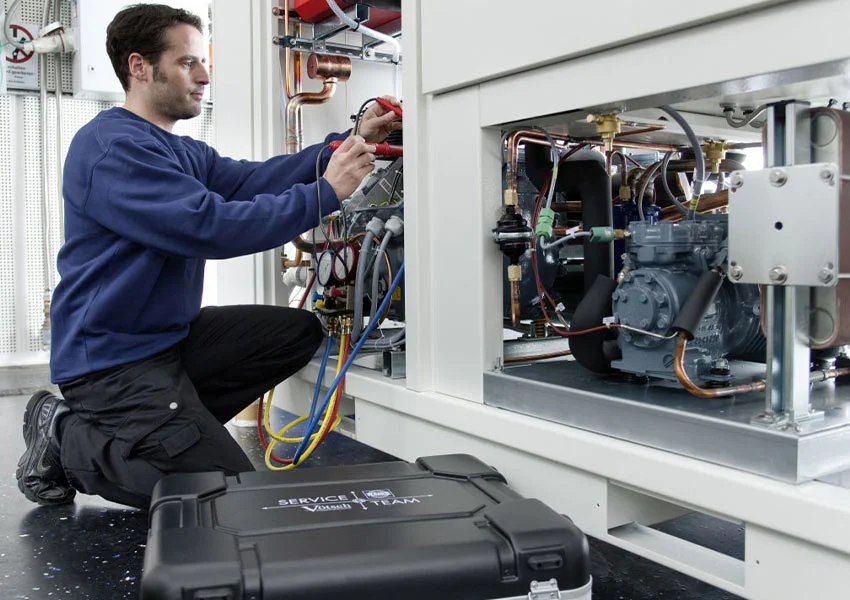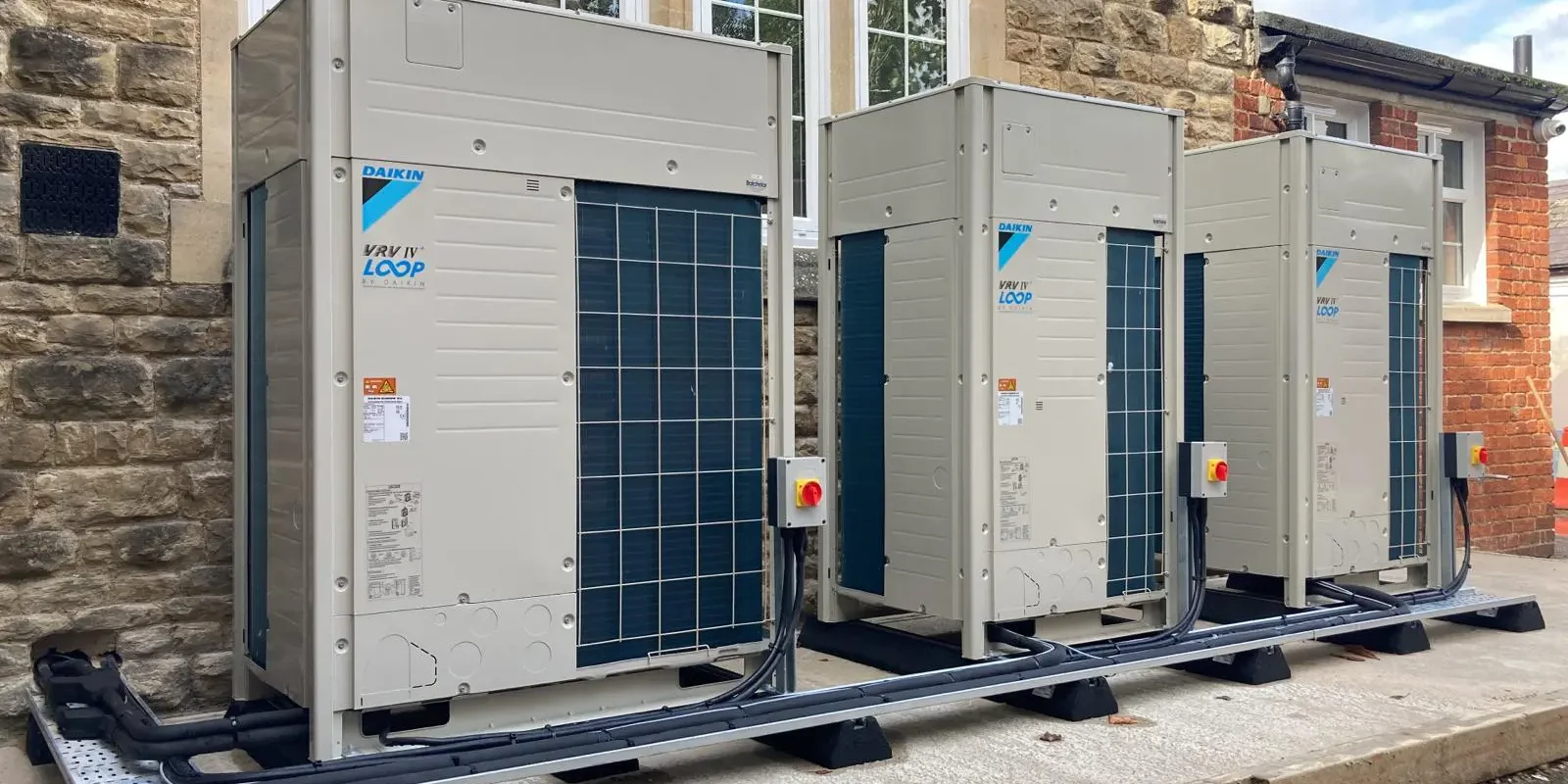

Sales and System Selection:
1. Consultation and Design: Providers assess the building’s specific needs, including layout, usage patterns, and insulation. They then recommend VRF systems that can deliver efficient temperature control with energy savings. This phase might include load calculations, zoning analysis, and CAD drawings.
2. Product Selection: Based on the assessment, the provider helps select the most suitable VRF system (like Dunham-bush, Daikin, LG, or Carrier) and ensures it has the appropriate capacity, features, and configuration for the building.
3. Cost Estimation and Quotation: They’ll provide cost details, including equipment, installation, and maintenance options, with recommendations for the most economical choices.
2. Product Selection: Based on the assessment, the provider helps select the most suitable VRF system (like Dunham-bush, Daikin, LG, or Carrier) and ensures it has the appropriate capacity, features, and configuration for the building.
3. Cost Estimation and Quotation: They’ll provide cost details, including equipment, installation, and maintenance options, with recommendations for the most economical choices.
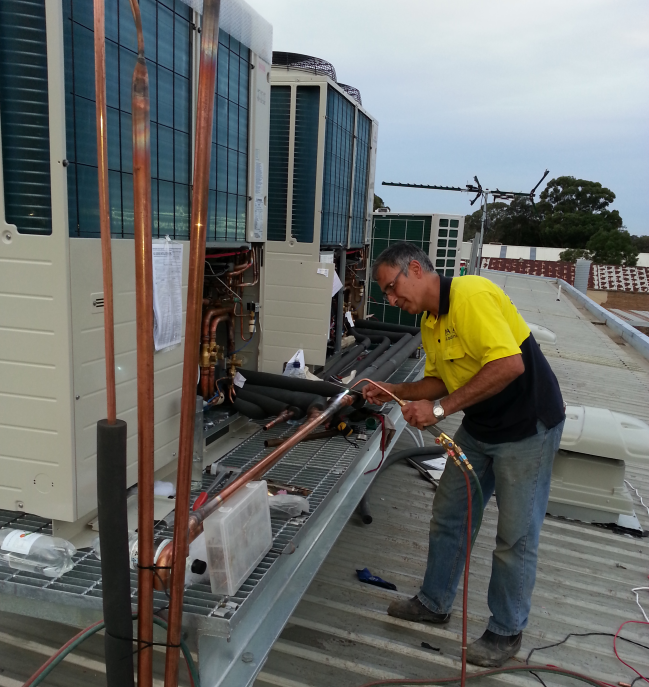
Installation Services:
1. System Setup and Configuration: The VRF system requires precise installation of both indoor and outdoor units, along with proper refrigerant lines, piping, and wiring.
2. Testing and Commissioning: After installation, the provider will test the system to ensure each zone functions correctly and that the refrigerant flow meets the system’s demands.
3. User Training: After installation, training for system operation is often provided to familiarize building managers or homeowners with the system’s controls and basic troubleshooting.
2. Testing and Commissioning: After installation, the provider will test the system to ensure each zone functions correctly and that the refrigerant flow meets the system’s demands.
3. User Training: After installation, training for system operation is often provided to familiarize building managers or homeowners with the system’s controls and basic troubleshooting.
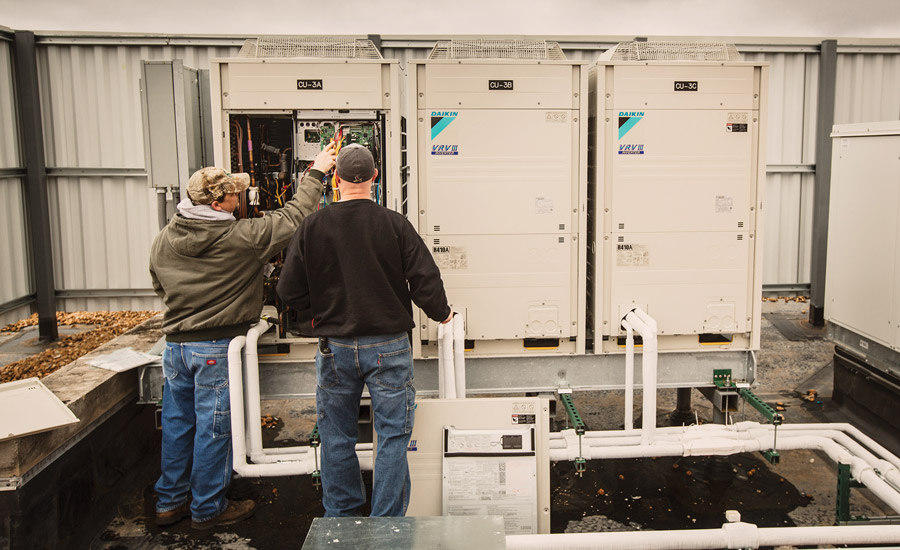
Maintenance Services:
1. Preventive Maintenance: Routine maintenance typically includes cleaning filters, checking refrigerant levels, inspecting compressors, and testing system performance.
2. System Diagnostics: VRF systems are highly advanced, with built-in diagnostics. Providers often monitor these diagnostics for any alerts, ensuring early detection of potential issues. 3. Seasonal Inspections: Pre-season inspections are recommended, especially before peak usage periods, to ensure optimal efficiency and reduce the risk of breakdowns.
2. System Diagnostics: VRF systems are highly advanced, with built-in diagnostics. Providers often monitor these diagnostics for any alerts, ensuring early detection of potential issues. 3. Seasonal Inspections: Pre-season inspections are recommended, especially before peak usage periods, to ensure optimal efficiency and reduce the risk of breakdowns.
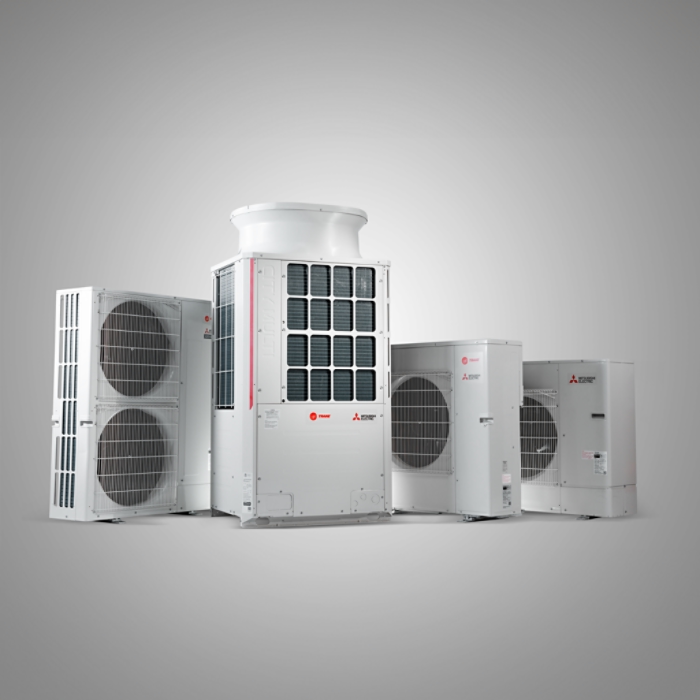
24/7 Emergency Support:
Many service providers offer 24/7 support for VRF systems, especially for commercial clients where maintaining climate control is critical for business operations.